

Aspen · Roaring Fork Valley
Wireless networking
Every system on this site runs over the network, which makes it the least glamorous and most important thing we install. Mountain properties are genuinely difficult to cover — heavy timber, stone, radiant floors, foil-backed insulation and a guest house at the end of the drive — and a mesh kit from a big-box store will not do it.
Why mountain houses defeat consumer Wi-Fi
The construction methods common in the Roaring Fork Valley are close to worst-case for wireless. Heavy timber frames and stone walls absorb signal. Foil-faced insulation and radiant heating in the floors act as reflectors between storeys. Low-E glazing attenuates anything trying to reach a terrace. Properties are large, often on multiple levels, and frequently include a guest house, a garage, a ski room or a barn that also needs coverage.
The answer is not a more powerful router. It is a properly designed system of wired access points, positioned against the floor plan, on channels planned so they don't interfere with each other or with the neighbours.
How we design a network
We work from the drawings at pre-wire stage and specify a hard-wired run to every access point, every television, every camera, every touchscreen and every piece of AV equipment. Anything that can be wired gets wired — wireless is reserved for things that genuinely move. This is the single biggest determinant of whether a house feels fast in five years' time.
Switching and routing live in a ventilated rack with proper power protection. We use Araknis, Ubiquiti and Cisco Meraki depending on the scale of the property and how it will be managed.
Segmentation and security
Cameras, control systems, guest devices and the family's own computers should not share a flat network. We segment them into separate VLANs with a guest network that can't see anything else, keep firmware current, and configure the firewall properly rather than leaving the ISP router in place doing whatever it does by default.
Redundancy and remote management
Where internet reliability matters — and for a house you're monitoring from elsewhere it does — we configure failover to a second connection or a cellular backup, so cameras and control stay reachable when the primary line drops. All of it is cloud-managed, so we can diagnose from our office rather than driving up the valley.
Scope
What this includes.
Every project is specified individually. This is the range we design, install, program and support.
- Wi-Fi 6 and Wi-Fi 7 access point design
- Wired backhaul to every access point
- Structured cabling and rack build
- Coverage to guest houses and outbuildings
- VLAN segmentation and guest networks
- Firewall configuration and remote access
- Araknis, Ubiquiti and Cisco Meraki
- Internet failover and cellular backup
- Cloud management and remote diagnostics
- Pre-wire drawings and contractor coordination
Related
Designed together.
These systems overlap more than they look like they do. Specifying them as one job produces a better result than specifying them one at a time.
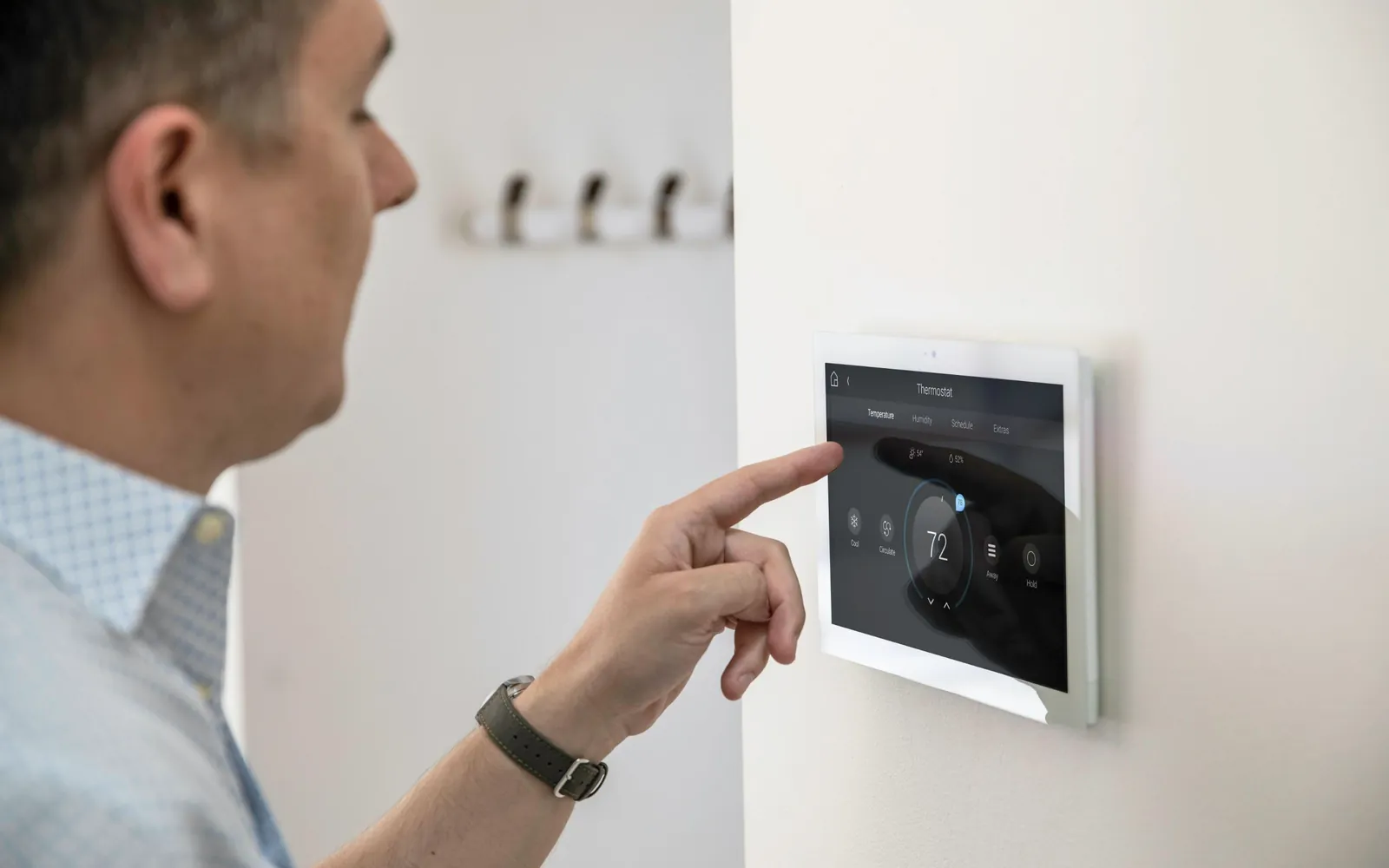
Control4 Home Automation
One interface for lighting, audio, video, climate, shades, cameras and access. The system that ties everything else together.
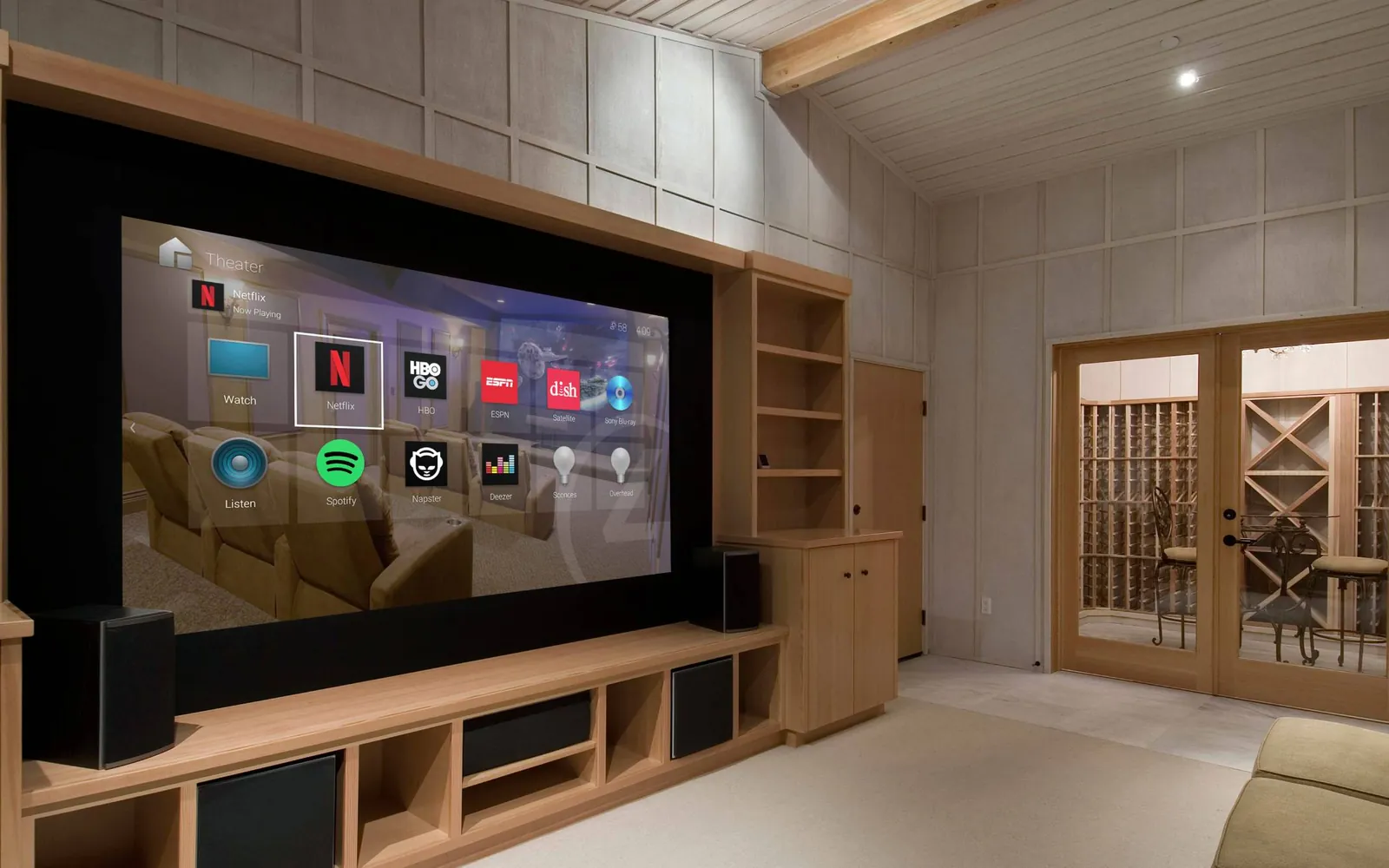
Home Theater & Television
Dedicated screening rooms, media walls and everyday television — designed, calibrated and hidden behind a single button.
Sonos & Multi-Room Audio
Whole-home and outdoor sound that plays everywhere or anywhere, from speakers you never notice.
Planning a build or a renovation?
The earlier we're involved, the better the result and the lower the cost.
Get in touch
Tell us about
the project.
- Call
- (970) 279-1222
- info@eppilus.com
- Office
- 312 Aspen Airport Business Center, Unit B
Aspen, CO 81611 - Hours
- Monday – Friday 9am – 5pm